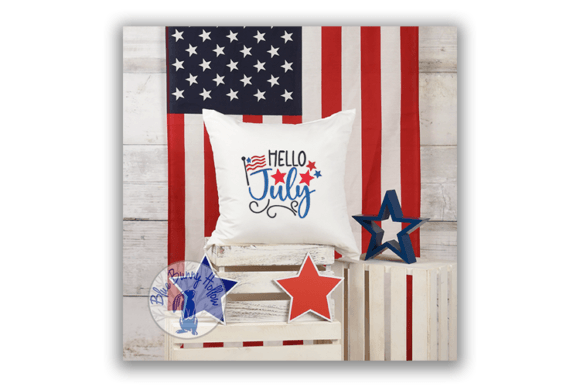
July Embroidery Design Review
First Impressions of July
At first glance, the July Embroidery Design feels festive and premium, with a clean aesthetic that’s perfect for Independence Day themes. The design captures the essence of July without being overly busy or overwhelming. It has a modern yet classic appeal that works well across a variety of fabric types and product styles.
The imagery is bold enough to stand out on tote bags and aprons but soft enough to blend elegantly into tea towels and pillow covers. It’s not too cute, not too rustic, and just right for a craft fair audience looking for something both stylish and meaningful.
July on Craft Fair Products
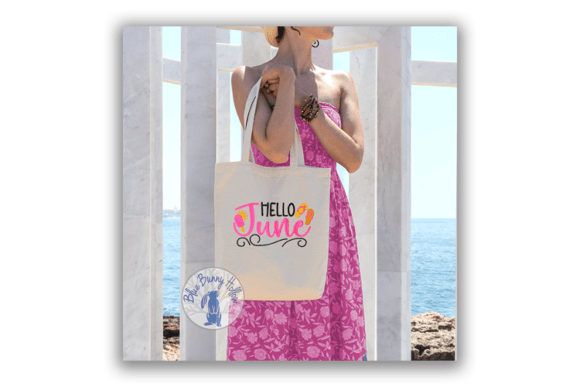
When it comes to applying the July Embroidery Design to various products, its versatility shines through. On tote bags, the design becomes a focal point—especially when placed near the handles or in the center. For aprons, it adds a personalized touch that customers love, especially if positioned over pockets or along the waistband.
Tea towel embroidery with July brings a subtle elegance, making them ideal for kitchen-themed handmade products. Embroidered patches featuring this design are great for caps and small pouches, offering a pop of visual interest without overpowering the item.
On pillow covers and market bags, the design maintains its clarity and charm, especially when paired with neutral or patriotic color schemes. As an Etsy seller, you’ll find that this design lends itself well to printable mockups, helping you showcase your handmade product listings effectively online.
Selling Points and Production Practicality
The July Embroidery Design is easy to understand at a glance, which is crucial for attracting attention at a craft fair booth. It works as both a small accent and a large focal design, giving you flexibility in how you use it across different craft fair products.
Photographically, it performs well in online listings. Whether you're showcasing small shop products or commercial embroidery items, the design maintains its clarity and vibrancy in photos. This makes it a strong asset for digital embroidery file sellers and handmade product displays.
For batch production, the design feels repeatable. It doesn’t have overly dense stitch areas or tiny details that might complicate mass production. However, it’s always wise to test the machine embroidery design on scrap fabric before committing to full runs.
Careful-Use Notes
While the July Embroidery Design is generally user-friendly, there are a few considerations to keep in mind. If using it on thick fabric or textured towels, be sure to use the right stabilizer to prevent puckering. For curved surfaces like cap surfaces, review the hoop size and adjust stitching accordingly.
If using dark fabric, check thread colors to ensure good contrast. Tiny lettering or intricate details may lose clarity at smaller sizes, so consider scaling up for small lettering or simplifying elements for smaller products.
Visual Appeal and Customer Engagement
The July Embroidery Design elevates the visual appeal of any product it adorns. It adds a layer of meaning and personalization that customers appreciate, especially around Independence Day. This can significantly boost product value and handmade quality perceptions.
At a craft fair, this design helps create a cohesive booth display strength. When paired with other month-themed designs or patriotic motifs, it supports brand consistency and enhances buyer engagement.
Embroidery Designer Tips
Before finalizing your craft fair product lineup, take the time to test the design on scrap fabric. Check thread contrast against different fabric colors and review spacing for optimal stitch placement. Confirm the hoop size required and inspect stitch density to avoid overloading delicate materials.
Always use the right stabilizer and create at least one real mockup to see how the finished product looks in person. Compare fabric colors carefully and confirm commercial licensing before selling finished products to ensure compliance.
Remember, even the best digital embroidery file needs proper execution. Use these design assets wisely to maximize their impact and ensure your handmade product stands out among the competition.